Treatments / Composite veneers
Composite veneers in Dingwall
Thin layers of tooth-coloured composite sculpted over the front of your teeth to change their shape, length and shade, usually in one visit and with little or no drilling.
What are composite veneers?
A composite veneer covers the whole visible front surface of a tooth with composite resin, the same tooth-coloured material used in composite bonding. Dr Abbasi builds it up layer by layer directly on the tooth, shapes it and polishes it, so you leave with your new smile the same day. Because material is added rather than removed, the tooth underneath is usually left largely untouched.
Who are they for?
- Teeth that are chipped, worn or uneven in length
- Small gaps or teeth that look too narrow or short
- Mild discolouration that whitening alone does not improve
- People who want a bigger change than edge bonding, without committing to porcelain
They are not right for everyone. Crowded or rotated teeth may need straightening first, heavy grinding can damage composite, and gum disease or decay must be treated before any cosmetic work. Dr Abbasi checks your teeth, gums and bite first and explains every option, including doing less.
What happens
- Consultation: examination, photos and a conversation about what you would like to change, followed by a written plan and cost.
- Planning: shade and shape are planned around your face and smile. Any whitening is done first, because composite does not whiten.
- Veneer appointment: composite is layered, sculpted and polished, usually in one longer visit.
- Review: a short visit to check your bite and fine-tune the finish.
Composite or porcelain veneers?
Composite veneers are quicker, cost less and are easier to repair, and they usually need little or no reshaping of the tooth. Porcelain veneers are made in a laboratory, keep their colour better and usually last longer, but they normally need some permanent reshaping of the tooth surface. Read composite bonding vs veneers or see porcelain veneers.
Risks and aftercare
Composite can chip, stain or wear over time, especially with tea, coffee, red wine, smoking, grinding or nail biting. Expect to need polishing and occasional repairs. Brushing twice a day, regular hygiene visits and a night guard if you grind all help them last. See our aftercare guide.
What affects the cost?
Composite veneers are priced per tooth, so the cost depends on how many teeth are treated and whether whitening is done first. Current fees are on the prices page, and interest-free finance may be available, subject to status.
Patients from across the Highlands
Dr Abbasi welcomes patients from Inverness, the Black Isle, Alness, Invergordon, Tain, Strathpeffer and Muir of Ord, and from further afield where a private dentist can be hard to find, including Ullapool, Gairloch, Lochcarron, Skye, Wick, Thurso, Golspie, Brora, Lairg, Aviemore, Grantown-on-Spey, Kingussie and the Western Isles. Where travel is a long way, we plan visits to keep the number of trips as low as is safely possible. Dingwall railway station is on the Far North and Kyle lines.
Related reading
Composite cases
Real patients, shared with consent. Results vary.
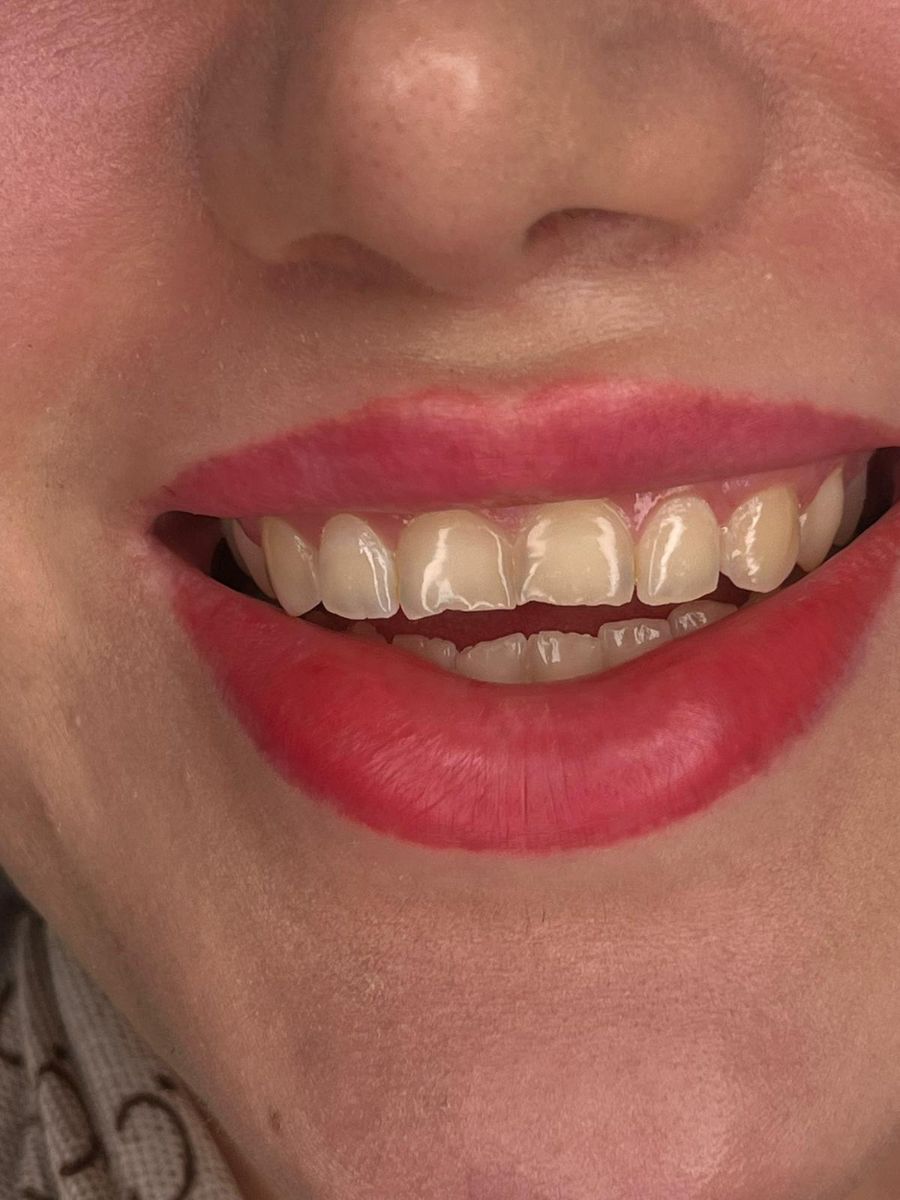
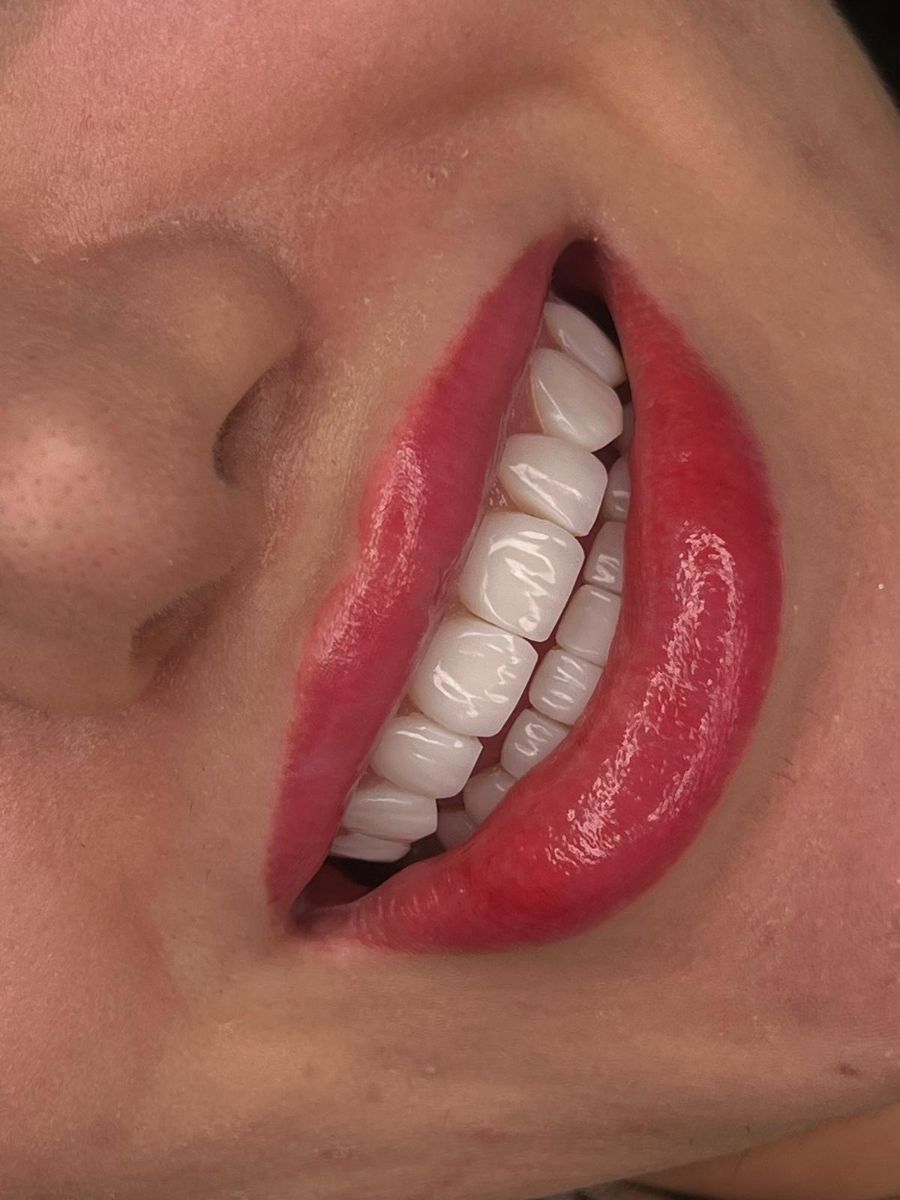 BeforeAfter
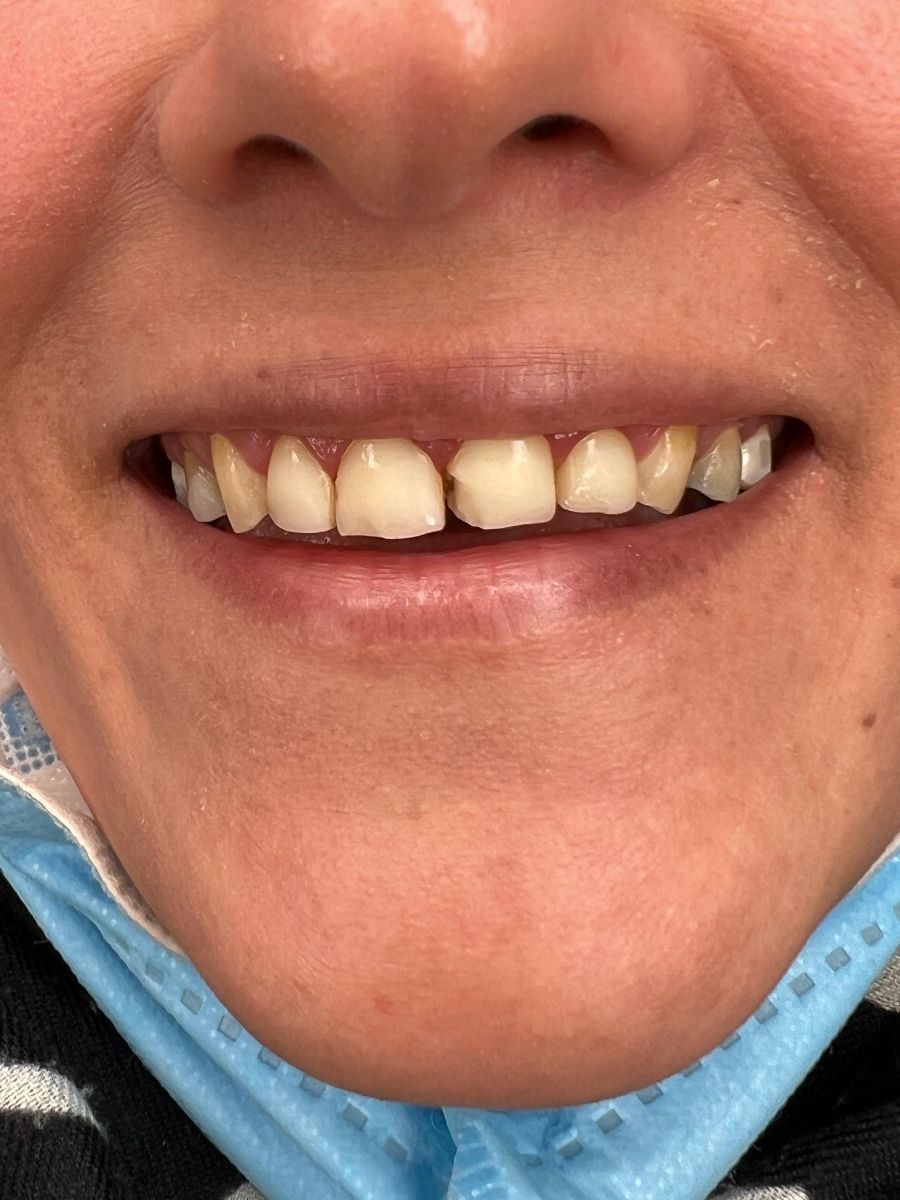
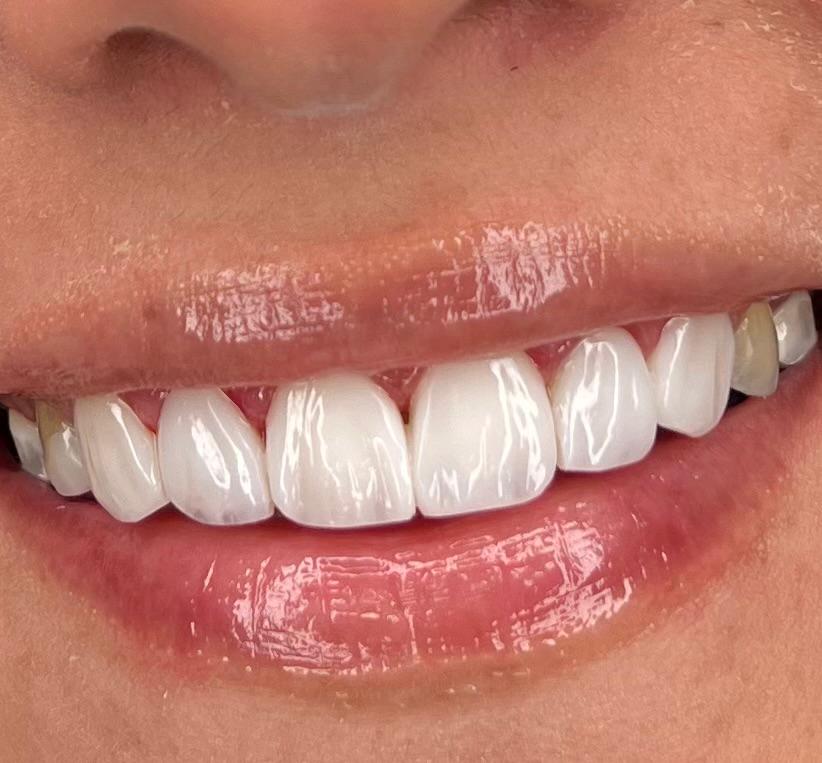 BeforeAfter
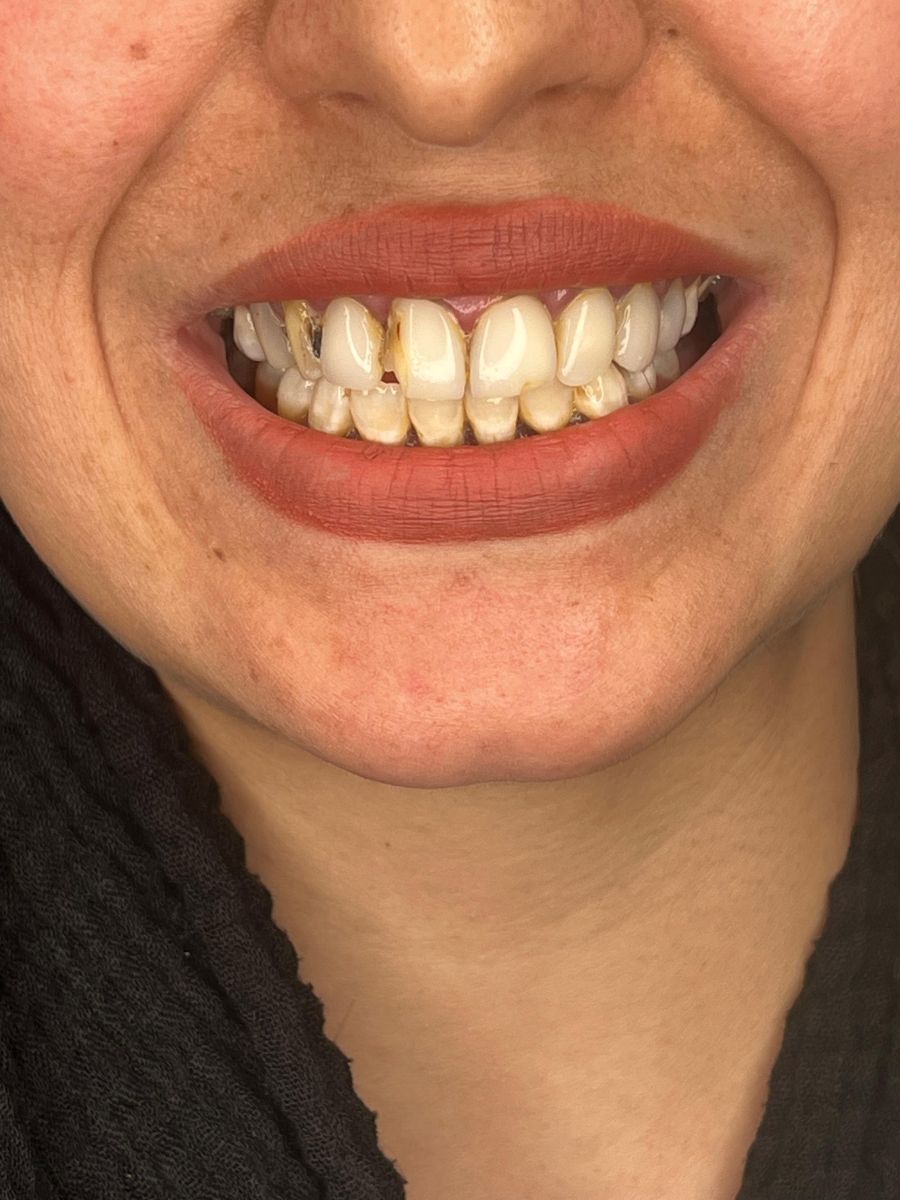
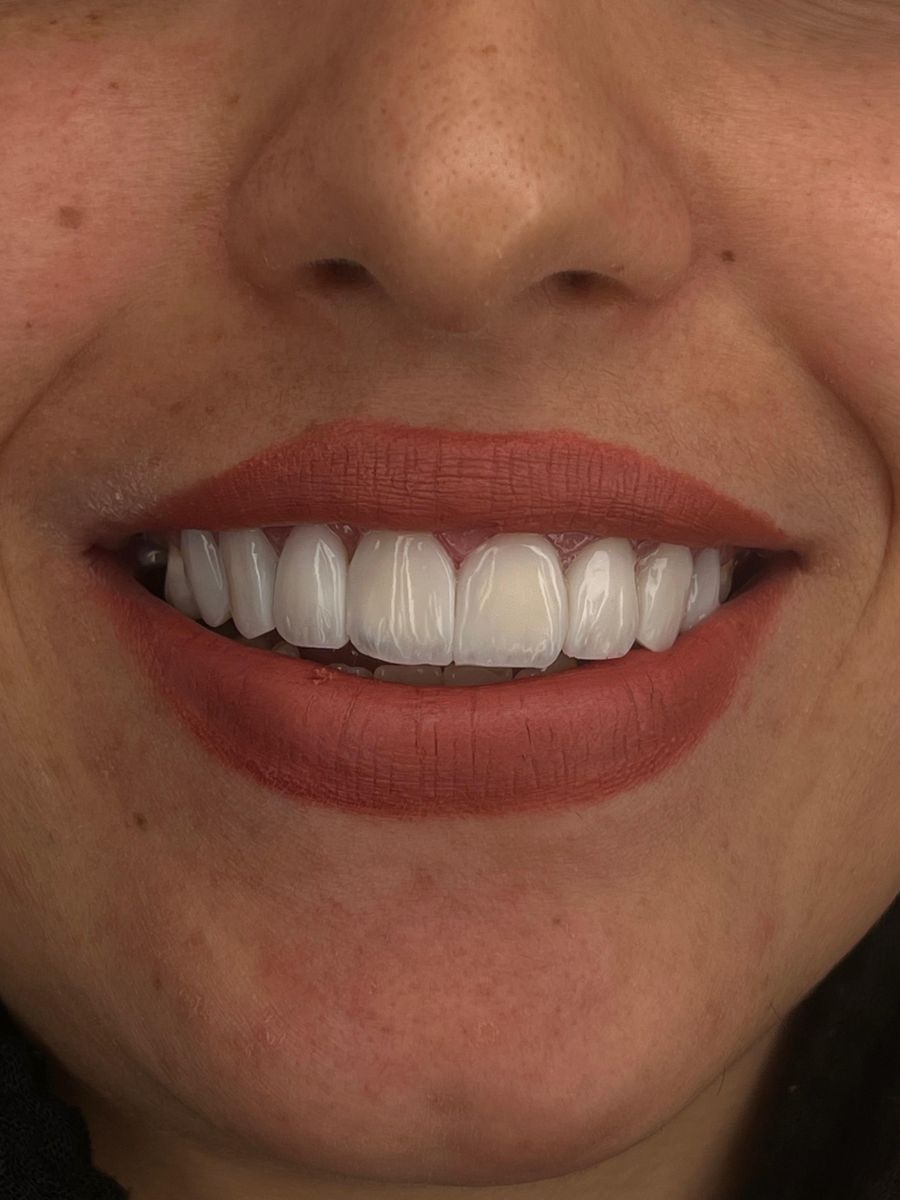 BeforeAfter
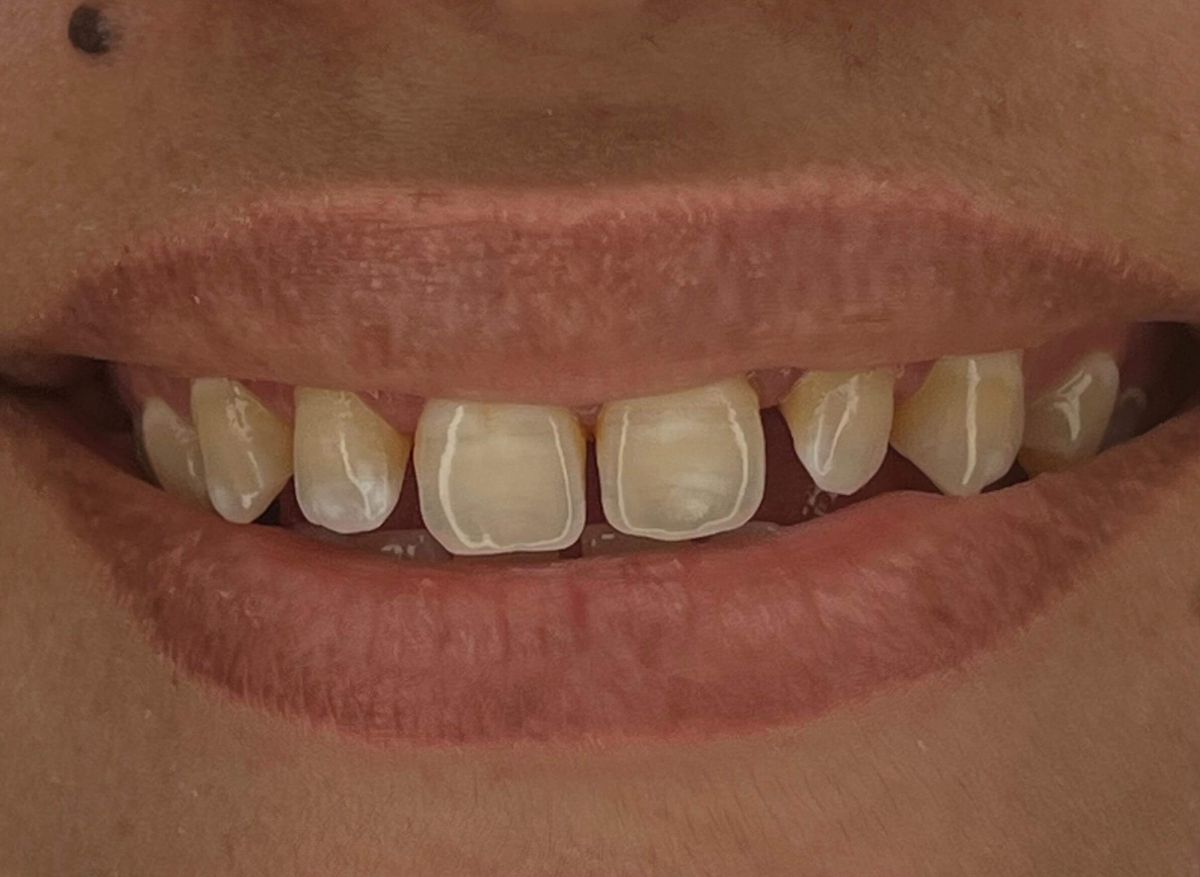
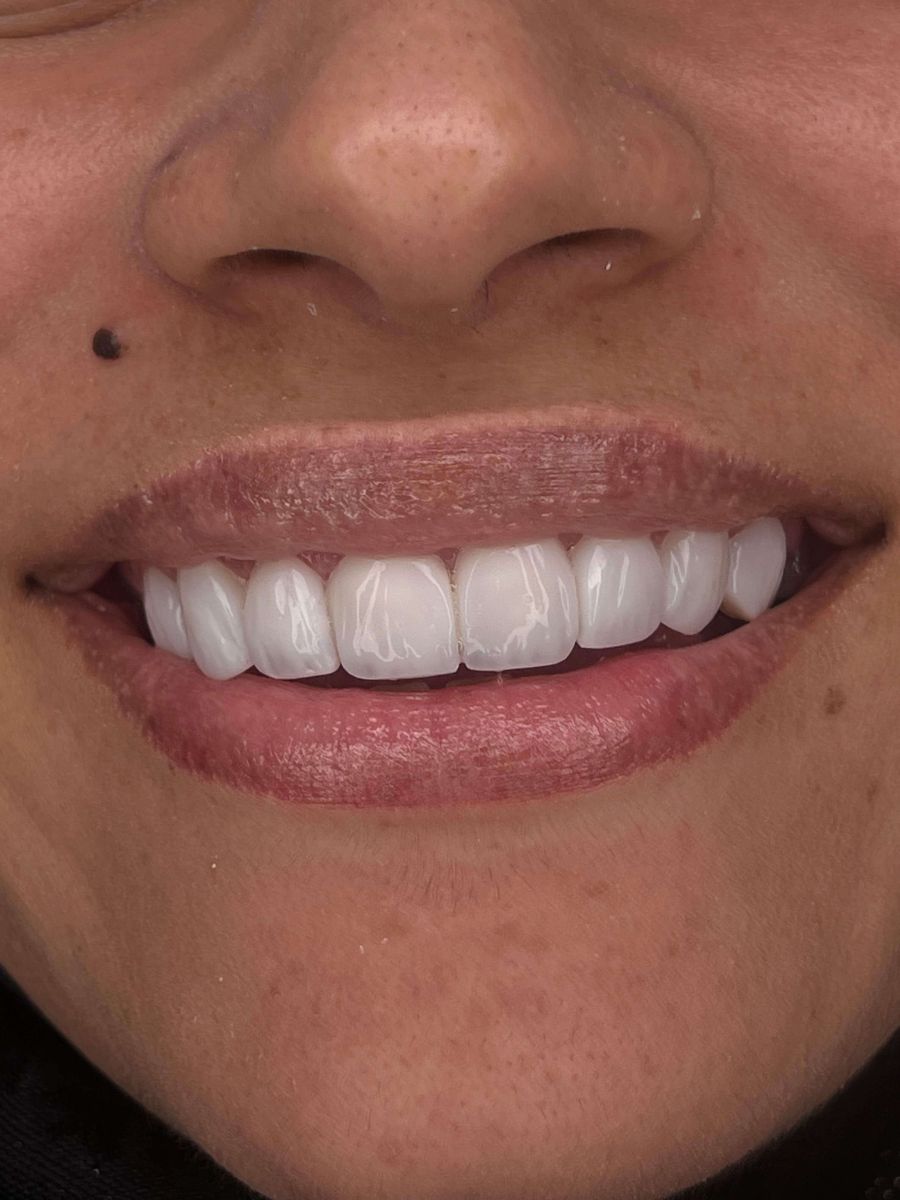 BeforeAfter
Composite veneers: common questions
Do composite veneers damage my teeth?
They usually need little or no drilling, because composite is added to the tooth surface. Sometimes a small amount of polishing is needed to get a natural shape.
How long do composite veneers last?
With good care many people get several years from them, but composite can chip or stain and usually needs polishing and occasional repairs.
Can composite veneers be whitened?
No. Composite does not change colour, so if you want brighter teeth we whiten first and then match the veneers to your new shade.
Composite or porcelain veneers?
Composite is quicker, costs less and is easier to repair. Porcelain lasts longer and resists staining better but usually needs more tooth reshaping. Dr Abbasi will explain which suits you.